
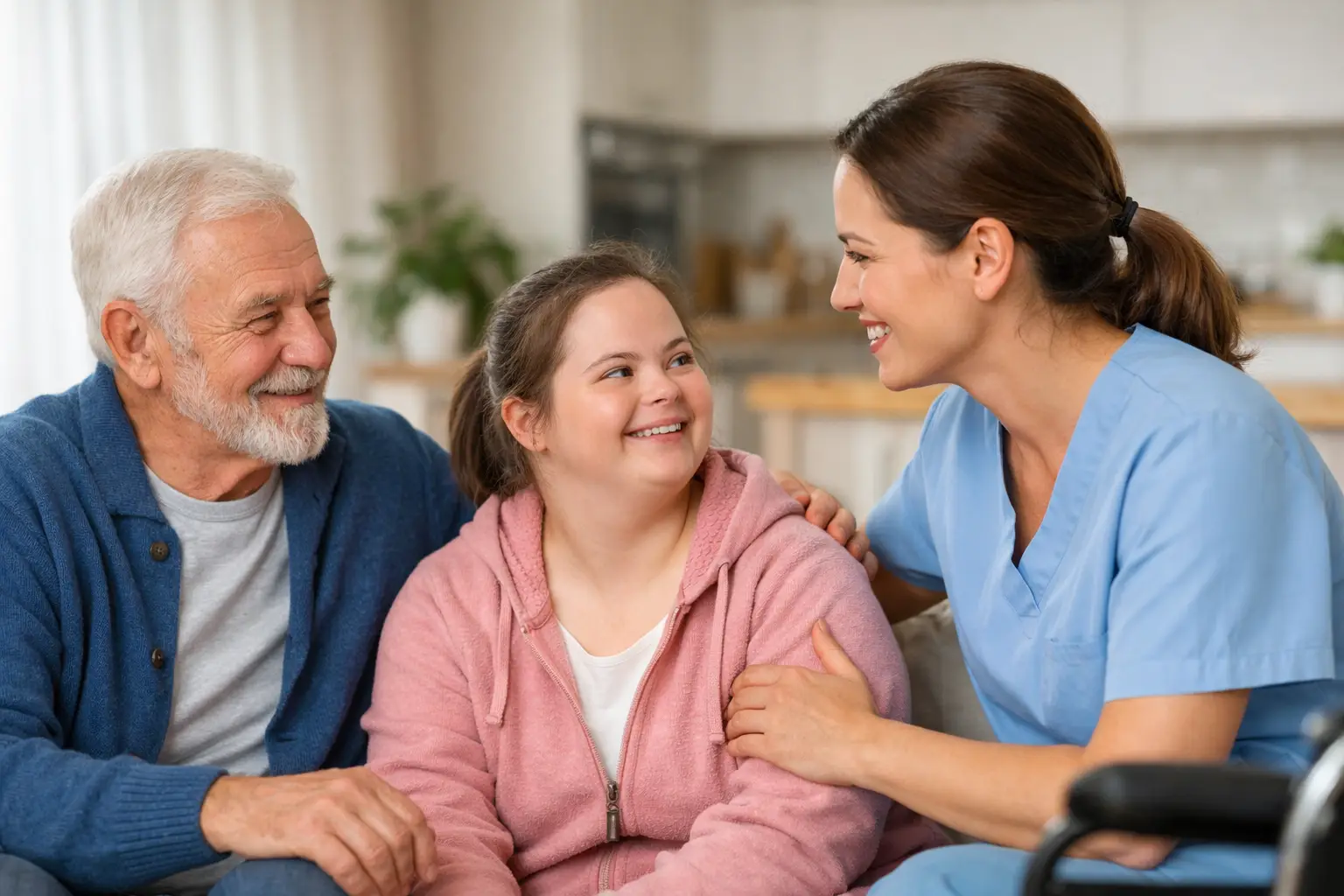
When a child or young person can no longer remain safely in their usual home environment, the gap between crisis and stability can be confronting for everyone involved. Specialised substitute residential care provides a structured, therapeutic living arrangement for children and young people who need more than standard out-of-home care. It is designed for those with complex behaviours, disability, trauma-related needs, mental health concerns, or multiple support requirements that call for consistent, skilled oversight.
For families, guardians, case managers and referrers, the question is rarely just where a young person will stay. The real question is whether the environment can keep them safe, support regulation, maintain dignity, and create a path toward better daily functioning. That is where specialised models of residential care matter.
How specialised substitute residential care works
Specialised substitute residential care, often referred to as SSRC, is not simply accommodation with supervision. It is a planned care setting where support is delivered within a therapeutic framework. The home environment, staffing approach, routines, risk management and behaviour responses are all structured around the needs of the child or young person living there.
In practice, that means care is tailored to the individual. One young person may need support with emotional regulation, school attendance and community engagement. Another may require close supervision due to absconding risks, self-harm, aggression, disability-related support needs or significant trauma responses. Some young people entering SSRC have experienced multiple placement breakdowns, which means predictability and continuity are especially important.
A strong SSRC model balances safety with developmental care. Young people still need everyday experiences that support confidence and identity – meals, routines, education, relationships, recreation and opportunities to make age-appropriate choices. Clinical capability matters, but so does warmth, consistency and respectful human connection.
Who specialised substitute residential care is for
Not every child in out-of-home care requires a specialised residential setting. SSRC is generally suited to children and young people whose needs are too complex for less intensive placements. That complexity can arise from one issue, but more often it comes from overlap across behaviour, disability, trauma, mental health, health conditions and family circumstances.
A young person may be referred to specialised substitute residential care when previous placements have not been sustainable, when there are serious safety concerns, or when the level of daily support needed is beyond what standard home-based arrangements can reasonably provide. For some, the need is urgent. For others, it forms part of a longer care plan coordinated across child protection, disability, health and education services.
This is also why provider capability matters so much. A service may be compassionate and well intentioned, but if it cannot safely manage complex risks, high-intensity needs or rapid transitions, the placement may not hold. Stability depends on preparation, staffing, communication and the ability to respond well under pressure.
Why a therapeutic environment makes the difference
Children and young people in SSRC have often lived with instability for a long time. They may test boundaries because boundaries have not been reliable. They may struggle with trust because adults have not always been safe or consistent. A therapeutic residential environment responds to that reality rather than reacting only to behaviour in the moment.
This approach focuses on understanding what drives behaviour, not just controlling it. Support workers and clinicians look at triggers, unmet needs, communication patterns, sensory issues, trauma responses and environmental stressors. Routines are built to reduce escalation. Expectations are kept clear. Responses remain calm and consistent.
That does not mean every day is smooth. There are times when behaviours escalate, plans need adjusting, or extra support is required. The difference is that a therapeutic model expects complexity and is designed to work through it safely. The aim is to reduce harm, build regulation, strengthen trust and support the young person to participate more successfully in daily life.
The role of staffing, structure and readiness
The quality of specialised substitute residential care depends heavily on the people delivering it. Young people with complex needs require support staff who are not only caring, but also skilled in trauma-informed practice, behaviour support, personal care, risk management and collaborative care planning.
Staff consistency is especially important. Frequent worker changes can undermine trust, increase anxiety and contribute to behavioural escalation. A well-run service aims to provide reliable routines, stable staffing and clear communication across shifts so the young person experiences continuity rather than confusion.
Operational readiness also matters. Some referrals come at short notice, including emergency respite, placement breakdowns or urgent transitions from hospital or community settings. In these moments, delays can increase risk for the young person and the people around them. Providers with genuine capacity to mobilise support quickly can make a critical difference.
That readiness should include more than a vacant bed. It should involve safe accommodation options, appropriately trained staff, clear intake processes, behaviour and risk planning, and the ability to coordinate with families, guardians, case workers, allied health teams and other involved services.
What families and referrers should look for
When assessing a specialised substitute residential care provider, it helps to look beyond broad service descriptions. The key issue is whether the provider can match care delivery to the young person’s actual needs.
A good provider will ask detailed questions about routines, triggers, diagnoses, communication style, sensory preferences, medication, health needs, schooling, behavioural history and current risks. That level of detail is a positive sign. It shows the service is preparing properly rather than treating the placement as standard.
It is also worth paying attention to how the provider talks about the young person. Respectful language matters. So does a clear commitment to dignity, cultural inclusion and individualised care. Young people should never be reduced to a behaviour profile or a list of incidents. Their strengths, preferences and goals should be part of planning from the beginning.
For referrers, practical considerations matter too. Can the provider onboard quickly if needed? Can they manage high-intensity support needs? Is there a clear escalation pathway if behaviours change? How do they maintain continuity of care during transitions? In regions where services are stretched, including parts of Sydney, Cairns, Darwin and regional WA, access to a provider with real capacity can be the deciding factor between further instability and a workable placement.
Specialised substitute residential care and long-term outcomes
The immediate purpose of SSRC is safety and stability, but the longer-term aim is broader. Good care should support the young person to build daily living skills, improve regulation, maintain education or training where possible, engage with community safely and develop stronger foundations for future transitions.
Progress does not always happen in a straight line. Some young people need intensive support for extended periods. Others may move toward family reunification, less intensive accommodation, disability support pathways or more independent living over time. What matters is that care planning stays realistic, responsive and centred on the young person’s best interests.
There are trade-offs in any residential model. Group settings can offer structure and staffing depth, but they may not suit every personality or behavioural profile. Highly structured care can improve safety, yet it must still allow room for choice, identity and age-appropriate independence. The right arrangement depends on the individual, not a standard formula.
This is why coordinated, end-to-end support is often the strongest approach. When residential care is backed by experienced support teams, health input, behaviour support and clear case coordination, the young person is more likely to receive stable and consistent care across every part of their day.
Treasure Disability Care works with this level of complexity by combining person-centred support with operational capability, which is often what families and referrers need most when a situation is urgent or difficult to place.
A care model built on dignity and consistency
At its best, specialised substitute residential care gives a young person more than a roof over their head. It gives them a safer environment, predictable support and adults who respond with skill rather than judgment. For families and professionals, that can create much-needed confidence at a time when options may feel limited.
The most effective placements are not built on availability alone. They are built on readiness, capability, therapeutic intent and a steady commitment to dignity. When those elements are in place, specialised substitute residential care can become the stabilising step that helps a young person feel safer, cope better and move toward a more secure future.