
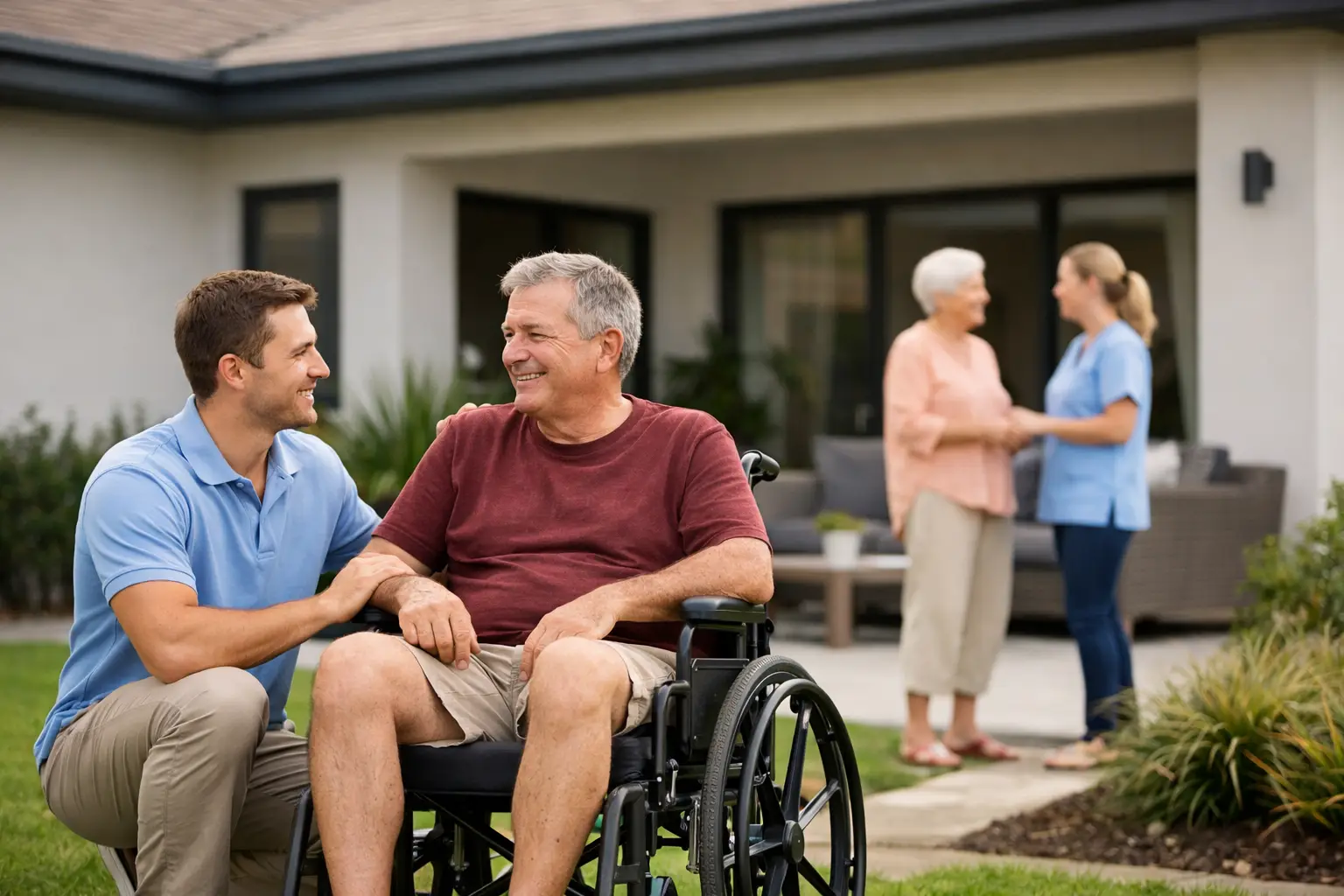
When a home is the wrong fit, everything becomes harder – daily routines, personal care, community access, even peace of mind for families. That is why supported independent living SIL homes matter so much. The right home is not simply a place to stay. It is the setting where a person can build skills, feel safe, and live with more choice and stability every day.
For many NDIS participants, SIL is one of the most significant supports in their plan because it affects how they live morning to night. It can also be one of the most misunderstood. Families may hear the term often, but still be unsure what is actually provided, how houses are staffed, or whether SIL is the right pathway for a person with complex needs.
What supported independent living SIL homes actually are
Supported independent living SIL homes are shared or individual living arrangements where funded support workers assist participants with everyday tasks while encouraging as much independence as possible. The support is built around the participant’s goals, functional needs, routines, and capacity, rather than a one-size-fits-all roster.
In practical terms, SIL often includes help with personal care, meal preparation, medication prompts or administration where appropriate, household tasks, shopping, appointments, transport to activities, and building daily living skills. Some homes also support participants with behaviour support needs, mobility challenges, mealtime management requirements, or high-intensity supports.
The key point is that SIL funding generally covers the support delivered in the home, not the bricks and mortar itself. Accommodation costs and support costs are separate, which is where people sometimes confuse SIL with SDA. A participant may live in a standard rental home with SIL supports, or they may live in SDA if they have extreme functional impairment or very high support needs and meet the eligibility criteria.
Who SIL homes can suit
SIL is not only for one type of participant. It can suit adults who want to move out of the family home, people who need regular support to live safely, participants leaving hospital, and those who need a more stable and structured environment after a breakdown in previous housing.
For some people, a shared home offers social connection and a more sustainable support model. For others, especially where there are complex health needs, sensory needs, or behaviours of concern, compatibility becomes just as important as availability. A vacancy is not always the right vacancy.
That is why a careful matching process matters. The right home depends on more than location or room size. It depends on support ratios, overnight arrangements, accessibility, housemate dynamics, clinical oversight, and whether the provider has the capability to respond if needs change.
What good supported independent living SIL homes should provide
A quality SIL home should feel stable, respectful, and genuinely participant-centred. That starts with clear routines and safe staffing, but it also means listening to how the person wants to live. Some participants prefer a quiet environment with predictable structure. Others want a more social household with strong community participation built into the week.
Good SIL support should never reduce a person to a roster. It should support real life – getting ready for work or day programs, attending appointments, learning to cook, keeping in touch with family, managing health needs, and having downtime in a way that feels comfortable and dignified.
For participants with complex needs, the quality threshold is higher. Providers need the workforce, systems, and clinical insight to manage manual handling, medication, epilepsy support, mealtime support, behavioural complexity, and other high-intensity requirements safely. This is where experience matters. A provider may say they offer SIL, but not every provider has the staffing depth or operational readiness to manage more complex support profiles well.
SIL homes and SDA – understanding the difference
This is one of the most common points of confusion. SIL is the support. SDA is the housing design category for eligible participants who need specialised built environments.
A participant can receive SIL without SDA. For example, someone may live in a regular shared home with support workers assisting throughout the day and overnight. On the other hand, a participant may be eligible for both SIL and SDA if they need specialist design features such as wheelchair access, ceiling hoists, improved physical access, or robust design elements.
The right arrangement depends on the person’s functional capacity, goals, and assessed support needs. It also depends on what is practical in the local market. In some areas, housing options are limited, so the best outcome may involve a staged approach – securing suitable support first, then working towards a more specialised accommodation pathway if needed.
How SIL funding usually works
SIL is generally funded under the NDIS for participants who need significant help with daily living tasks. The level of support is based on assessments and evidence, including the person’s routines, risks, supervision needs, and the level of assistance required across the day.
This often involves preparing a roster of care or similar evidence showing how supports are delivered. The more complex the participant’s needs, the more important it is that this information is detailed and accurate. Understating support requirements can lead to unsafe staffing. Overstating them can slow approvals or create confusion.
For families and referrers, this is where a responsive provider can make a real difference. Clear communication, realistic planning, and fast intake processes help reduce delays, particularly where there is pressure around hospital discharge, carer burnout, or urgent housing need.
Choosing the right SIL home
The best SIL home is not always the newest property or the one closest to a preferred suburb. Fit comes first. A suitable home should align with the participant’s support needs, personality, cultural preferences, communication style, mobility requirements, and long-term goals.
Ask how staffing is managed, especially after hours. Ask what happens if a participant’s needs increase. Ask how medication, incidents, health appointments, and behaviour support plans are handled. If the participant has high-intensity support needs, ask whether trained staff are consistently available, not just occasionally available.
It is also worth asking how transitions are supported. Moving into SIL can be a major change, especially for someone who has lived with family for many years or has experienced unstable housing. A careful transition plan, with introductions, routine mapping, and collaboration with families and allied health teams, often makes the difference between a stressful move and a successful one.
Why speed and capacity matter in SIL
In theory, everyone should have time to weigh up options slowly. In reality, many SIL referrals are urgent. A family carer may no longer be able to continue. A participant may be ready for discharge but have nowhere appropriate to go. A previous provider arrangement may have broken down.
In these moments, speed matters – but not at the expense of safety. The right provider needs to be able to act quickly while still assessing compatibility, support requirements, and risk properly. Fast onboarding only works when it is backed by real staffing capacity, sound clinical governance, and accommodation pathways that can handle complexity.
This is particularly relevant in areas where options can be limited or stretched. In parts of Sydney and regional service areas, families and coordinators often need a provider that can respond promptly rather than placing a participant on an indefinite waiting list.
The outcome that matters most
At its best, SIL creates more than support coverage. It creates a home life that is workable, respectful, and sustainable. Participants have the chance to build confidence in everyday tasks, develop relationships, take part in the community, and live with greater choice over time.
That growth does not always happen in a straight line. Some people will need intensive support for the long term. Others may increase independence gradually with the right structure around them. Both outcomes are valid. The goal is not to force independence. The goal is to provide the right level of support so the person can live as fully and safely as possible.
For families, a well-matched SIL home can ease constant pressure and restore trust that their loved one is receiving consistent, capable care. For participants, it can mean having a place where support is reliable, dignity is protected, and daily life feels more their own.
When you are assessing SIL options, it helps to look past the brochure version of disability accommodation. Ask whether the home can truly support the person’s needs today, and whether the provider has the readiness to keep supporting them if those needs become more complex tomorrow. That is where good decisions start.